HEAD OF RESEARCH
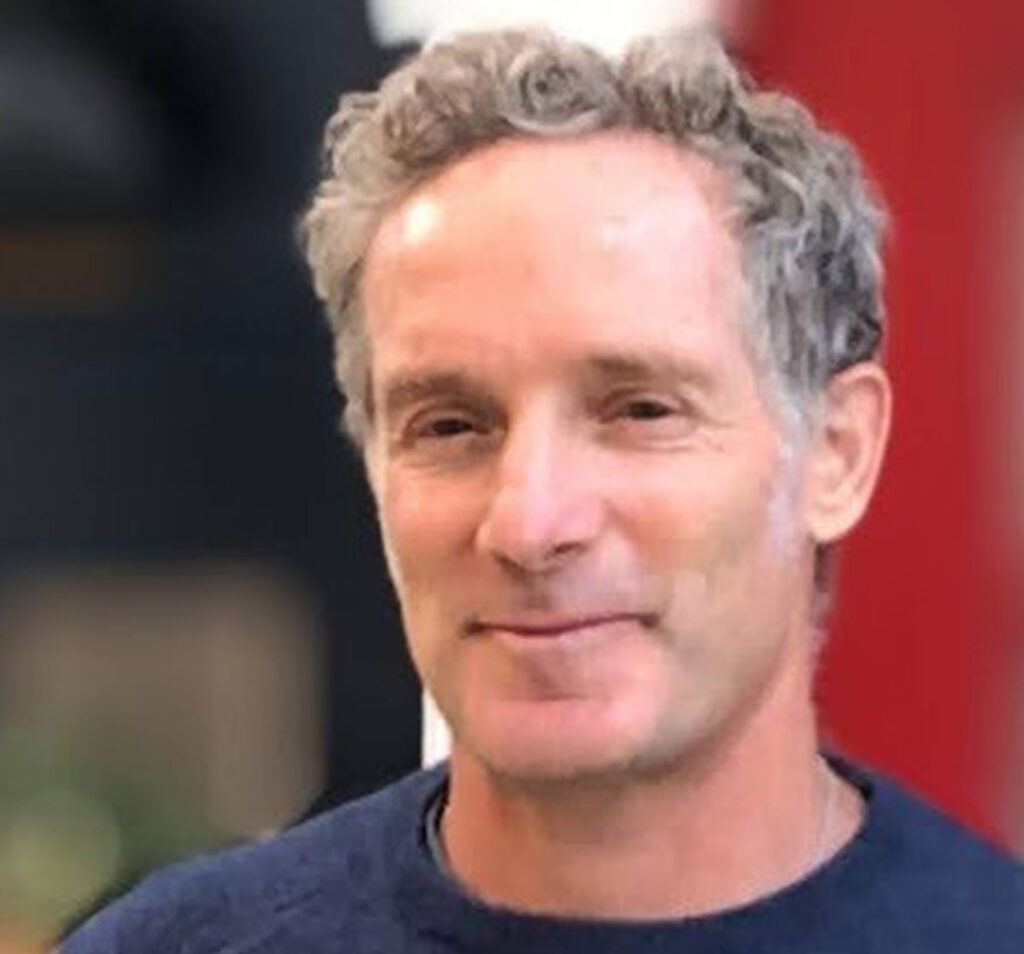
Theo Padnos is an author, and scholar whose work examines the intersections of faith, identity, and contemporary political violence. He brings extensive lived experience and scholarly insight to issues central to Canadian policy discussions on radicalization, extremism, and social cohesion. After earning his PhD in Comparative Literature, Padnos began his teaching career within Vermont’s correctional system, working directly with disaffected young men at risk of social exclusion. This early work informed his long-standing focus on the social, psychological, and ideological pathways that can lead individuals toward violent extremism.
Padnos later pursued formal religious studies in the Middle East, beginning in Yemen at Dar al-Hadath and continuing in Damascus, Syria, where he enrolled in an Islamic religious school. His second book, Undercover Muslim, draws on immersive field research to examine the dynamics of Islamist extremism and the processes of radicalization from within.
He has written extensively on the Middle East and political Islam for leading international outlets, including The New York Times, The New Republic, The Huffington Post, The Atlantic, and the London Review of Books.
In 2012, Padnos was kidnapped in Syria by the al-Nusra Front—then an affiliate of al-Qaeda—and held captive for nearly two years. His experience is documented in his 2021 memoir, Blindfold: A Memoir of Capture, Torture, and Enlightenment, which offers rare insight into coercion, ideological control, and survival under extremist captivity.
His experiences are also the subject of the Netflix documentary Theo Who Lived, which provides a firsthand account of conflict, resilience, and the human impact of extremist violence. A linguist fluent in French, Arabic, German, and Russian, and an experienced educator, Padnos contributes a uniquely informed and empathetic perspective to Canadian prevention and counter-radicalization efforts, emphasizing rights-based, community-led, and humanitarian approaches consistent with Canada’s public-safety, human-rights, and social-resilience frameworks.